Environmental Justice & Advocacy
Building Climate-Resilient Communities Through Sustainable Environmental ActionWe promote environmental justice, raise awareness on ecological issues and advocate for practices
that protect our planet. Together we can create a just, resilient and sustainable future for all.
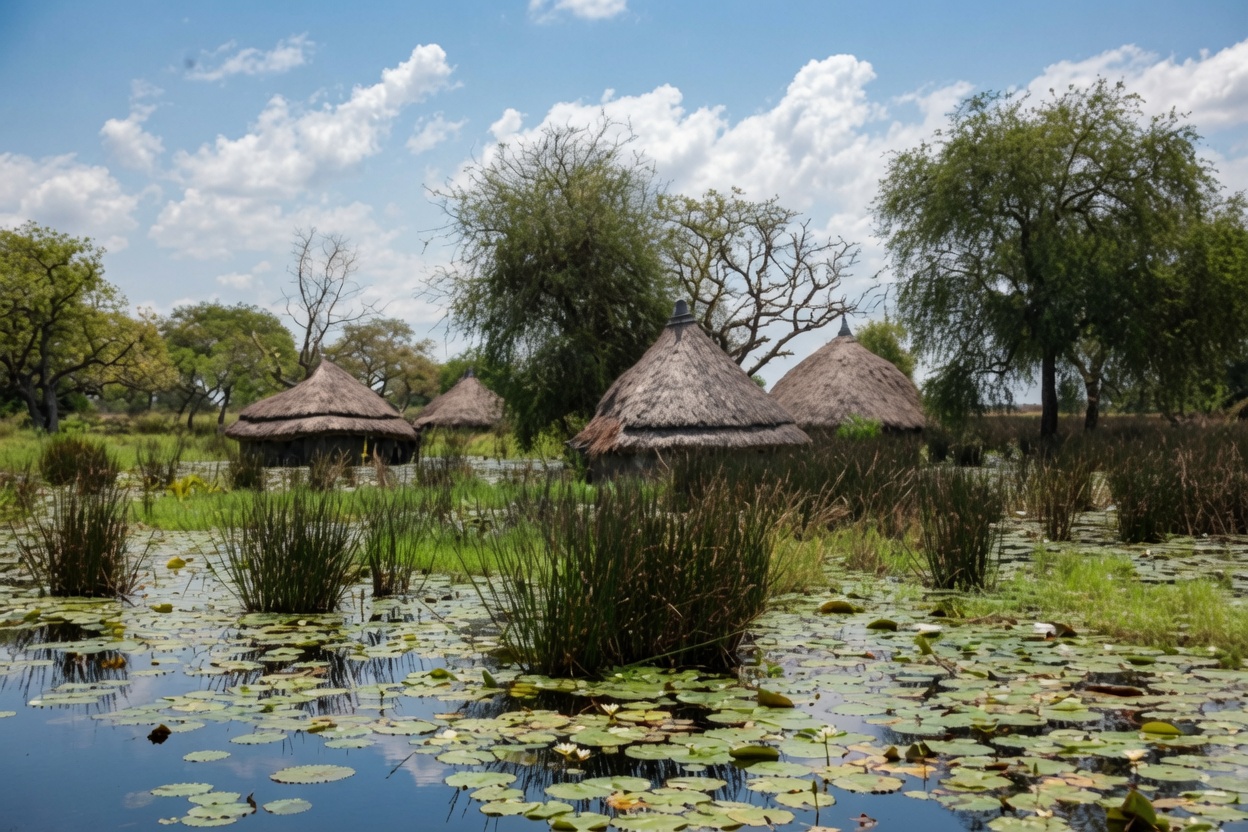
RHAC-Uganda is committed to promoting environmental justice, climate resilience, and sustainable natural resource management. We believe that every person has the right to live in a healthy environment with access to clean air, safe water, productive land, nutritious food, and other natural resources that support healthy and sustainable livelihoods.
Environmental challenges often affect vulnerable communities the most. Addressing these challenges requires collective action that protects both people and the environment while promoting equitable access to environmental resources and opportunities.
Our Key Cores
Environmental Justice
Environmental justice seeks to ensure that all communities enjoy equal protection from environmental hazards and equal access to environmental benefits, regardless of their location or socio-economic status.
RHAC-Uganda supports initiatives that promote fairness in the management and use of natural resources while encouraging community participation in environmental decision-making.
We promote access to:
Clean and safe water.
Clean air and healthy environments.
Nutritious food and sustainable agriculture.
Green public spaces and healthy ecosystems.
Safe livelihoods and decent working conditions.
Health services, education, and other essential social services.
Environmental Advocacy
Environmental advocacy involves raising awareness and encouraging individuals, communities, institutions, and policymakers to adopt environmentally responsible practices.
Our goal is to inspire positive action that contributes to healthier communities and a more sustainable future.
We promote Environmental Advocacy through:
Environmental awareness and education.
Community participation in conservation initiatives.
Responsible use of natural resources.
Sustainable production and consumption practices.
Sustainable production and consumption practices.
Environmental stewardship among young people and local communities.
Climate Resilience
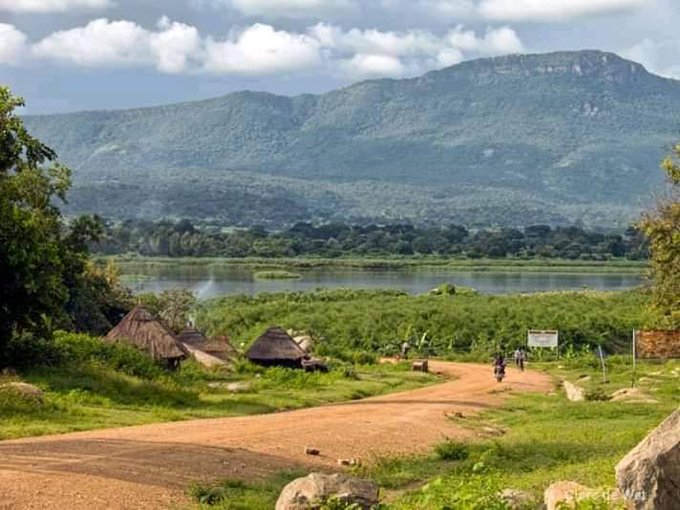
Climate resilience refers to the ability of communities, ecosystems, and institutions to prepare for, respond to, and recover from climate-related challenges such as droughts, floods, changing rainfall patterns, and rising temperatures.
Building resilience involves reducing vulnerability, strengthening adaptive capacity, and promoting sustainable development that can withstand future climate risks.
Environmental Sustainability
Environmental sustainability focuses on protecting ecosystems and ensuring that natural resources are managed responsibly to meet present needs without compromising the ability of future generations to meet theirs.
This includes conserving biodiversity, protecting forests and wetlands, promoting responsible land use, and encouraging sustainable consumption of natural resources.
Our Focus Areas
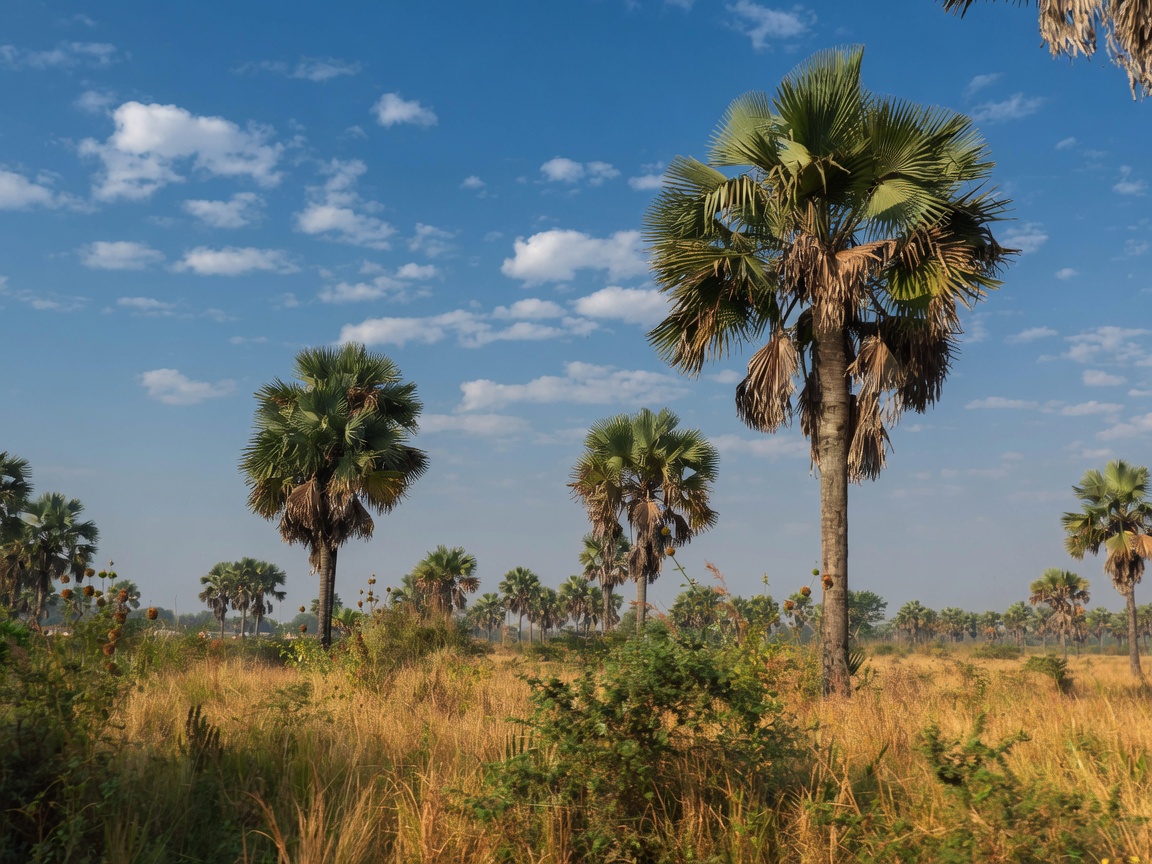
RHAC-Uganda promotes practical approaches that strengthen both climate resilience and environmental sustainability, including:
- Renewable and clean energy solutions.
- Ecosystem conservation and restoration.
- Sustainable land use and climate-smart agriculture.
- Tree planting and environmental restoration.
- Water resource conservation.
- Disaster risk reduction and community preparedness.
- Environmental education and awareness.
- Community participation in natural resource management.
These interventions contribute to healthier ecosystems, stronger livelihoods, and more resilient communities.

Why It Matters
Climate change continues to affect food production, water availability, public health, and economic development. At the same time, environmental degradation increases the vulnerability of communities to natural disasters and resource scarcity.
By integrating climate resilience with environmental sustainability, communities are better equipped to adapt to changing environmental conditions while protecting the natural resources on which their livelihoods depend.
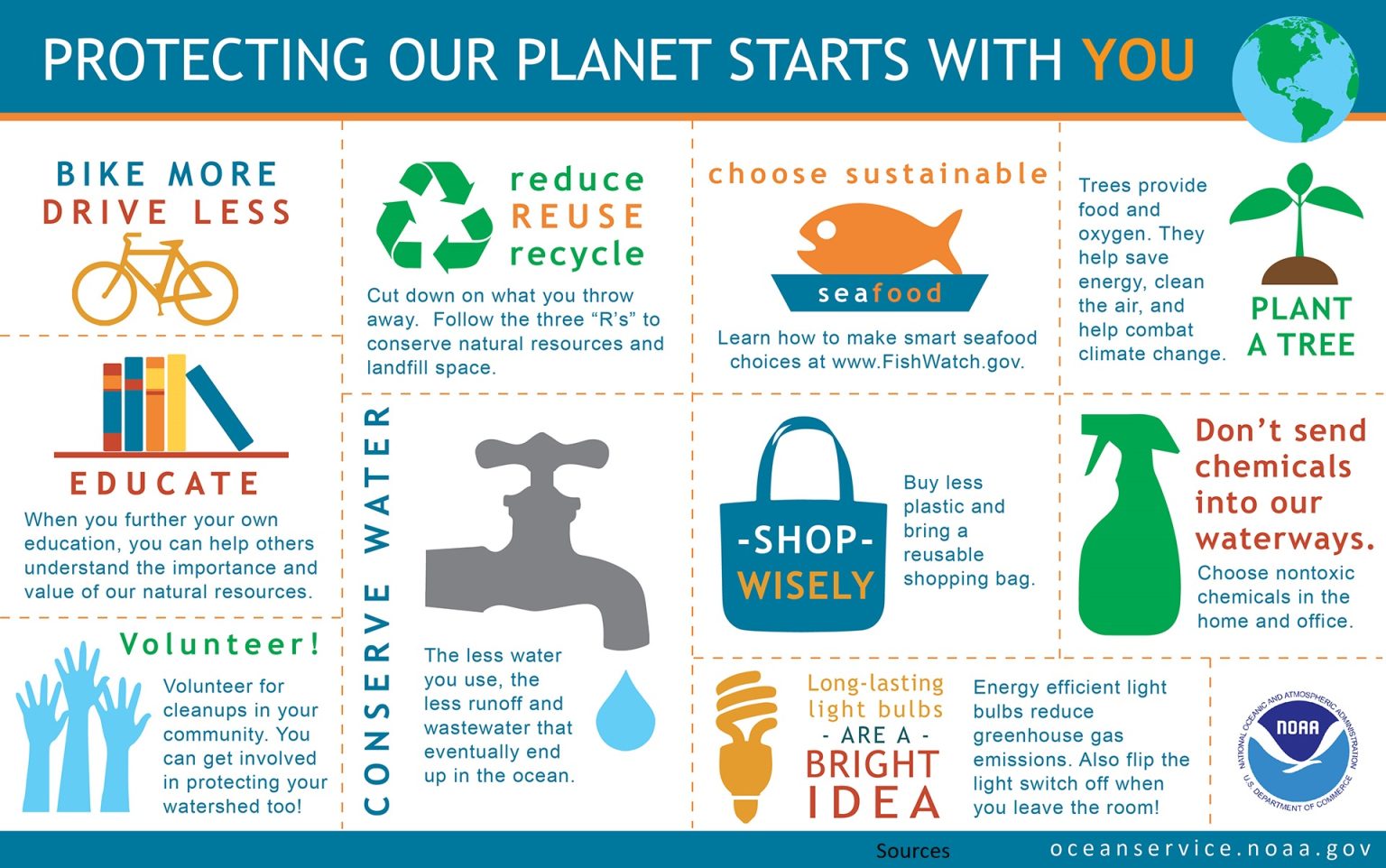
Ten Simple Things You Can Do to Help Protect the Earth