Disaster Risk Reduction & Natural Resource Mgt
Building Climate-Resilient CommunitiesAt RHAC-Uganda, we work with the people and communities who are on
the front lines of the climate crisis, and those at the forefront of climate
innovation, to find a sustainable way forward together.
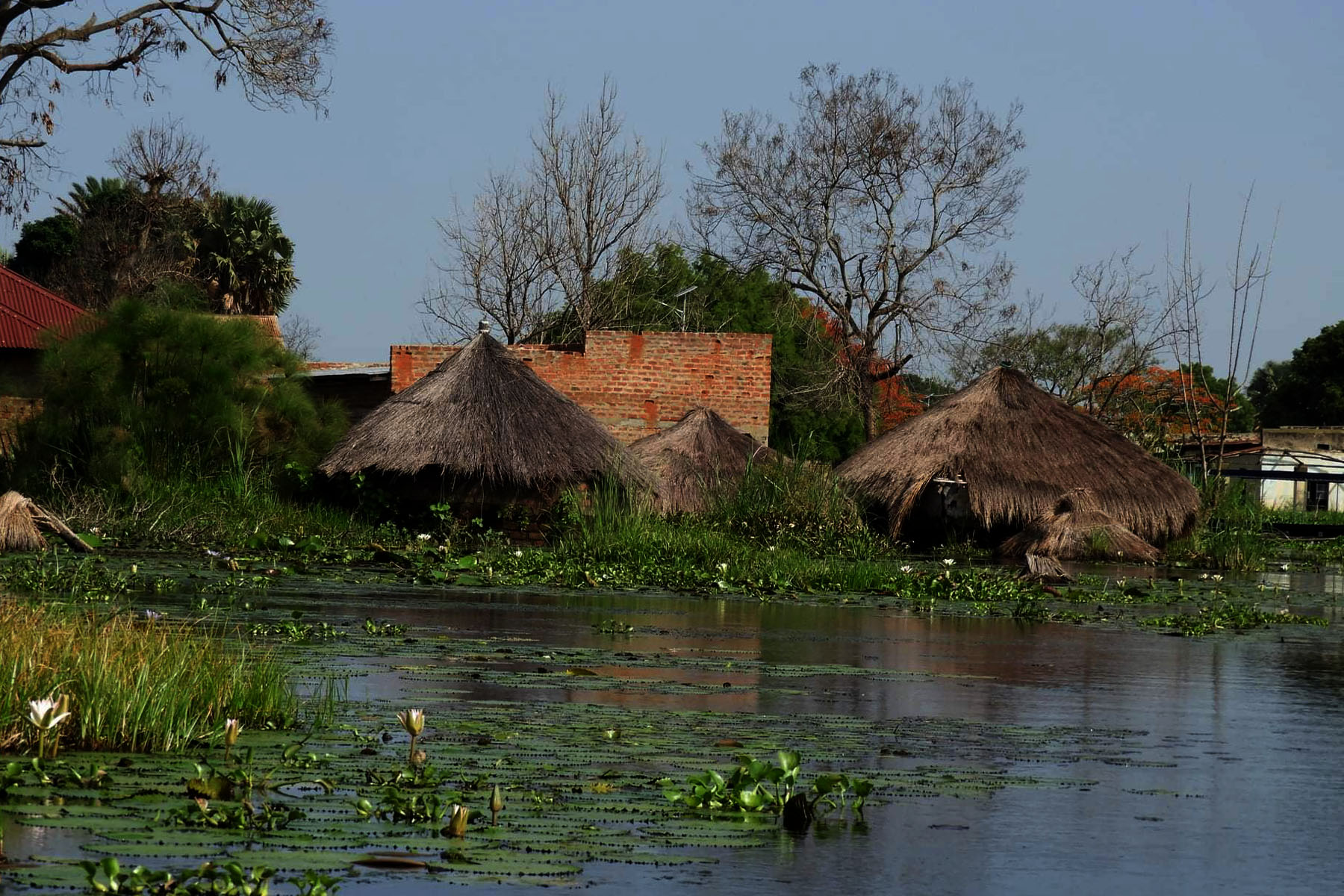
Climate change threatens food security, weakens economies, increases poverty, fuels conflict over scarce resources, and places millions of vulnerable people at greater risk. It is not only an environmental challenge—it is a social and economic crisis that demands collective action.
Our Approach
RHAC-Uganda believes that sustainable development and environmental stewardship go hand in hand. Our climate change programme supports communities to adapt to changing environmental conditions while promoting sustainable practices that protect natural resources for future generations.
We work with local communities, government institutions, development partners, and environmental stakeholders to implement practical climate solutions that improve resilience, strengthen livelihoods, and promote sustainable economic development.
Key Pillars
A Devastating Force
Climate change destabilizes economies, fuels conflict, cripples productivity, and weakens social structures.
The Most Vulnerable
These people are disproportionately exposed to extreme weather events and least able to cope and adapt.
Complex Crises
Droughts, floods and lack of sustainable energy create multiple, compounding challenges.
Our Commitment
We focus on climate solutions that deliver practical, meaningful change at the local level and scale for greater impact.
Key Areas of Intervention
We promote integrated climate action through interventions that combine environmental conservation, sustainable livelihoods, and community resilience.
Climate Change Adaptation
We help communities build resilience to climate-related shocks by promoting:
-
Climate-smart agriculture
-
Water conservation
-
Drought-resilient farming
-
Disaster risk reduction
-
Community resilience planning
Environmental Conservation
We support initiatives that promote:
- Tree planting and reforestation.
- Forest and ecosystem restoration.
- Sustainable land management.
- Soil and water conservation.
- Biodiversity protection.
Water Security
Our programmes support:
- Water resource conservation.
- Rainwater harvesting technologies.
- Watershed protection.
- Community water management systems.
- Sustainable irrigation practices.
Renewable Energy and Clean Technologies
We promotes access to clean and sustainable energy solutions that improve livelihoods thats to say
- Solar energy technologies.
- Energy-efficient cooking solutions.
- Clean household energy alternatives.
- Sustainable energy solutions for small enterprises and institutions.
Sustainable Livelihoods
We support communities to diversify their livelihoods through:
- Green enterprises.
- Climate-resilient agriculture.
- Sustainable natural resource management.
- Environmental entrepreneurship.
- Community-based conservation initiatives.
Local Solutions Global Impact
Practical. Sustainable. Transformative.
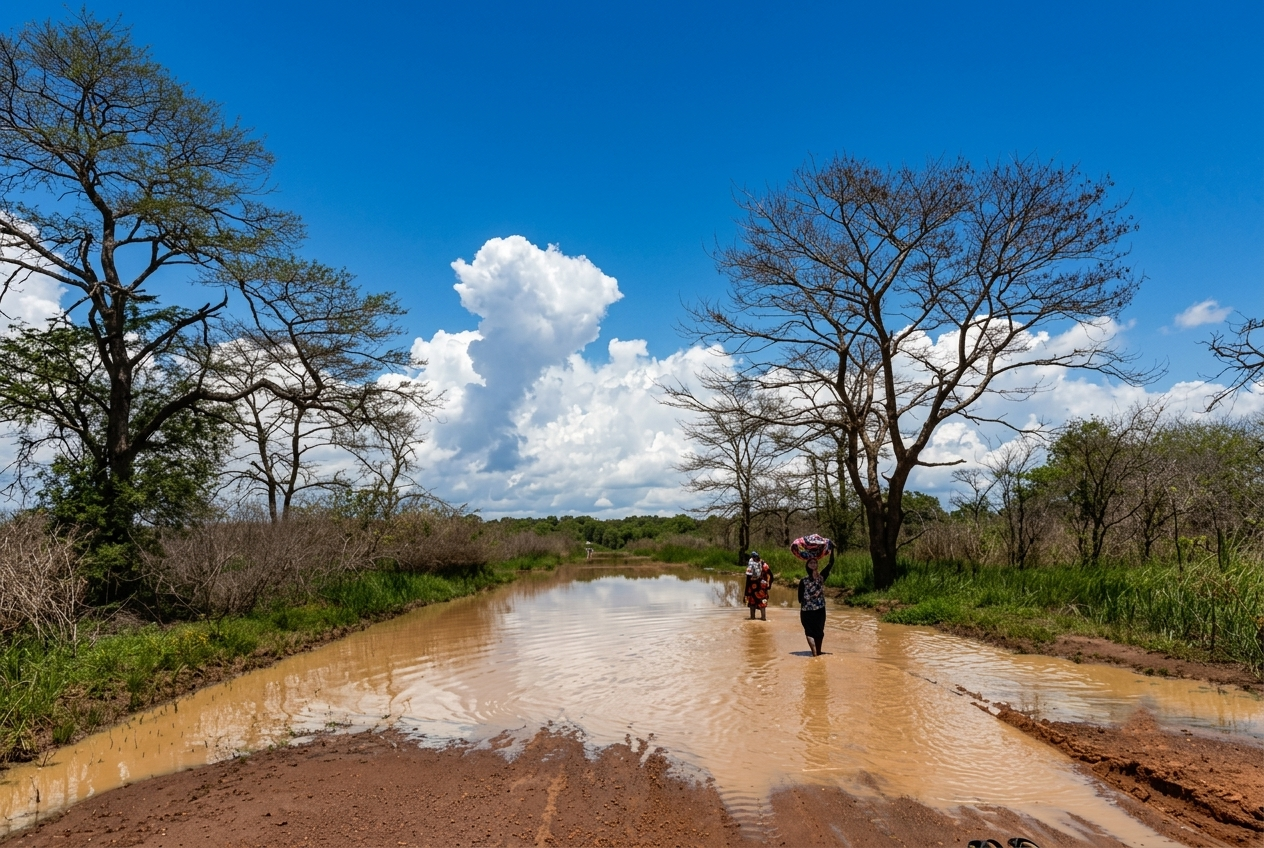
Community-Led Climate Solutions
The most effective climate solutions are those designed and implemented by local communities. We identify practical, community-driven innovations that deliver measurable impact at the local level, then strengthen and scale them through partnerships and knowledge sharing.
By empowering communities to become active participants in environmental conservation, we promote long-term ownership and sustainable development.